
Weight loss myths, and what sustainable weight loss really looks like
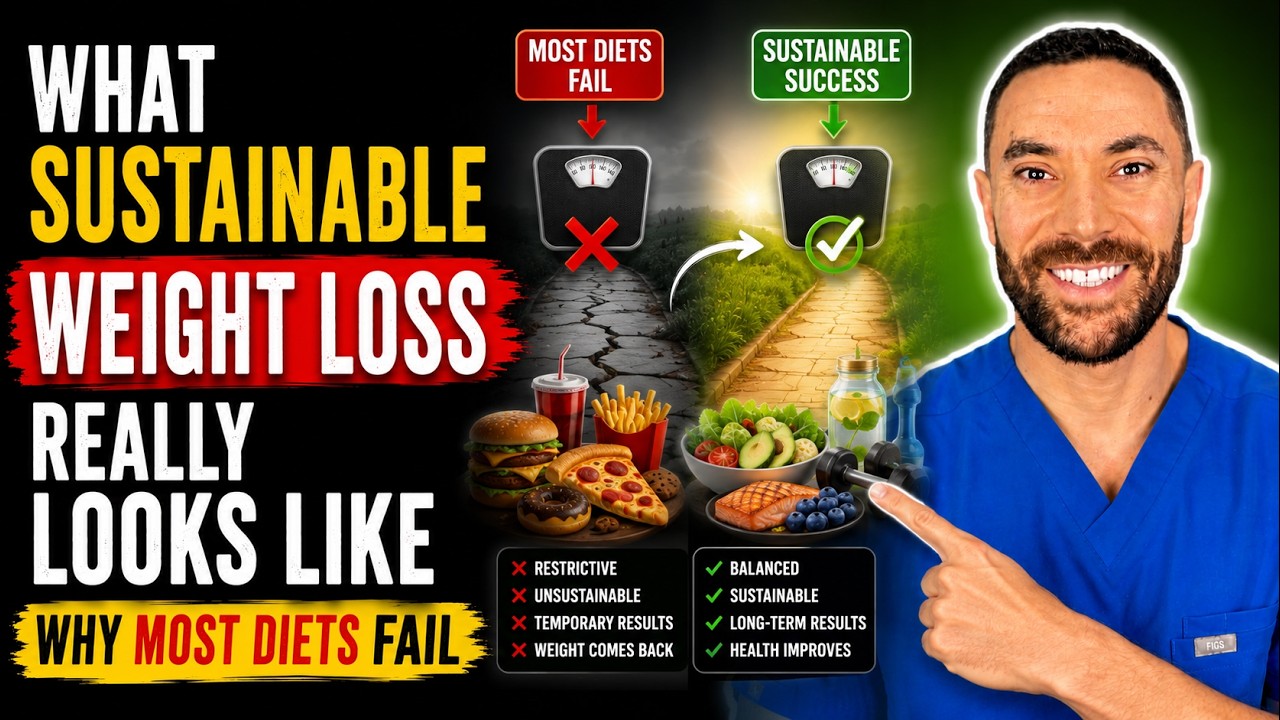
Short answer: most diets fail because they are temporary. People get bored, go back to old habits, and never find out which foods were causing the problem. Dr. Mohamed Karim, D.C., says sustainable weight loss is slower than most people want, about 1 to 3 pounds a week, and depends on gut health, hormones, muscle and inflammation rather than simply eating less.
Myth: eat less and move more
Hormones and metabolism matter. He regularly meets people eating one or two meals a day of meat and vegetables, no processed food, and still not losing weight. Often they are not eating enough, especially protein, and sometimes not enough good carbohydrates and fats either. Others walk 10,000 steps a day and cannot shift stubborn fat. Eating less on top of that rarely fixes it.
Myth: cardio is the answer
Too much cardio without enough food, or with an untreated gut problem underneath, can backfire. Running constantly while underfed is a recipe for burnout, not steady fat loss.
Myth: fast weight loss is healthy weight loss
Rapid weight loss means rapid muscle loss, and muscle is what you want to keep. Thirty pounds in a month is a shock to the body. Dr. Karim aims for roughly a pound to three pounds a week, or 5 to 10 pounds a month. The CDC’s guidance is a little more conservative: people who lose about 1 to 2 pounds a week are more likely to keep it off.
Why diets stop working
Beyond boredom, he sees a quieter reason. Often the food causing the trouble is one the person has loved all their life. They cut it for a few weeks, bring it back, and the weight follows, without them ever connecting the two.
What sustainable weight loss requires
- Bloodwork, including hormones (see hormone therapy in North Liberty)
- A look at gut health and food sensitivities
- Protecting muscle while fat comes off
- Gradual lifestyle changes, like slowly raising daily steps
- Bringing down inflammation
His clinic also teaches people which foods their own body tolerates. If a food keeps causing problems, his advice is to cut it out for good. If it does not, keep enjoying it. That is the difference he draws between a long-term plan and a short-term starvation diet.
What people gain besides a lower number
Energy is usually first, typically within three or four weeks, and often without caffeine, which many of his patients end up dropping. Then come confidence, less joint pain as weight comes off, better sleep, easier movement and more steps. For patients who also bring down blood sugar or come off some medications with their doctors, that is a bonus on top.
The reasons people give him are rarely about a number anyway. They want to keep up with their grandkids.
Watch the episodes
Ready for a plan that lasts? Read about medical weight loss in North Liberty or book a free consultation. Related: why weight loss gets harder with age.
This article summarizes podcast episodes and is general information, not medical advice. Pace guidance: CDC, Steps for Losing Weight. See our medical disclaimer.
Free consultation
Talk to Dr. Karim about your symptoms
Iowa Wellness Center, 1395 Jordan St Unit C, North Liberty, IA. Patients come in from Iowa City, Coralville and Cedar Rapids.