Stem cell therapy: what it is, what the FDA says and what to ask before you try it
Short answer: stem cells are the body’s repair cells, and clinics now offer them from several sources: umbilical cord blood, Wharton’s jelly from the cord, amniotic fluid, and your own blood or tissue. Many patients report feeling better afterward. But in the US the only FDA-approved stem cell products are cord-blood cells used for certain blood disorders, so almost every other use, including joint and back pain, is unapproved and still being studied. That makes asking the right questions before treatment essential.
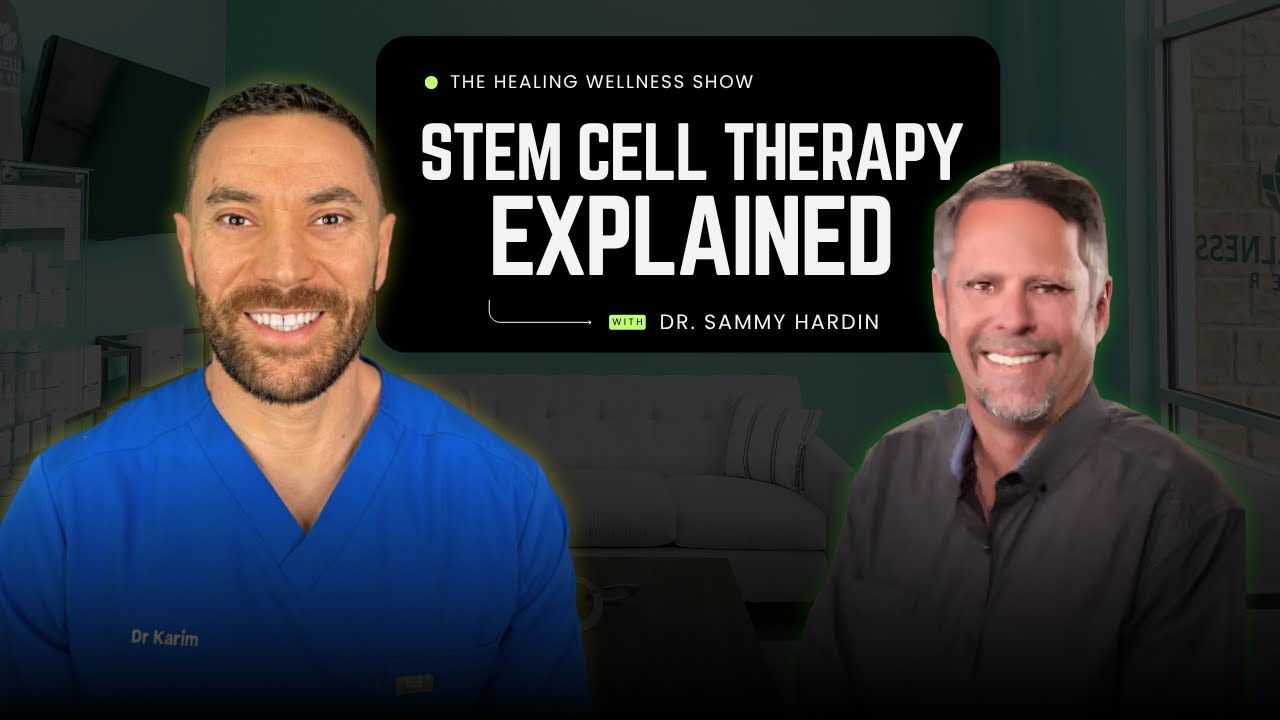
Dr. Mohamed Karim, D.C., talked with Dr. Sammy Harden, a former paramedic turned chiropractor whose clinic, H2 Wellness Solutions in McKinney, Texas, has offered stem cell therapy through a medical team since 2016.
The main sources, explained
- Umbilical cord blood: collected with the parents’ consent after a healthy delivery. This is what Dr. Harden’s clinic uses, given through an IV.
- Wharton’s jelly: tissue from the umbilical cord itself, usually injected into a joint.
- Amniotic fluid: the fluid around the baby. Dr. Harden avoids it and believes it carries a higher rate of reactions.
- Your own cells, including platelet-rich plasma (PRP), where your blood is drawn, spun down and reinjected. Strictly speaking PRP is platelets, not stem cells.
Both doctors address a common worry directly: reputable labs do not use tissue from abortions. Cords come from consenting mothers, typically after a healthy C-section, and are screened for disease.
What the FDA says
The FDA regulates stem cell products, and generally they require FDA approval. The only approved ones are blood-forming cells from cord blood, for disorders of the blood-producing system. The agency has specifically said that products from cord blood, Wharton’s jelly, amniotic fluid and fat have not been approved for orthopedic problems such as arthritis, disc disease, tendinitis or back, neck, hip, knee and shoulder pain, and it has warned companies selling unapproved cord-derived products.
It has also documented real harms from unproven stem cell treatments, including a patient blinded by an eye injection and a spinal tumor after a spinal injection. The CDC reported patients hospitalized with serious infections after injections of contaminated umbilical cord products. In the interview Dr. Harden says his clinic has seen zero adverse reactions. That is his experience, but it is not the same as “no risk.”
What it is and is not
Dr. Harden is clear on one point: stem cells do not cure disease. His phrase is that they help the body become “stronger than the disease.” He describes patients who came in for back pain and later reported other improvements, and serious cases in his own family. Those are individual stories, not evidence that stem cells treat those conditions, and we have not included the disease-specific claims here.
Expectations vary. Some people notice changes quickly; others take six to nine months. His clinic pairs treatment with chiropractic care and cold laser.
Questions to ask any stem cell clinic
- What is the source of the cells, and which lab produced them?
- How many cells will I actually receive? Ask to see the lab’s certificate of analysis for your specific vial.
- What disease testing was done on the donor tissue?
- What is the product suspended in? Some people react to preservatives such as DMSO.
- Is this product FDA-approved for my condition? If not, is the treatment part of an FDA-registered clinical trial?
- Who gives the treatment, and what medical oversight does your state require?
- What does it cost, and what is the plan if it does not help?
Both doctors agree on the bottom line: be your own advocate, research the lab and the provider, and do not settle for the first answer you hear.
Watch the full interview
Have questions about regenerative options? Book a free consultation and bring this list. Related: shockwave therapy explained.
This article summarizes a podcast interview and is general information, not medical advice. Stem cell products other than cord-blood cells for blood disorders are not FDA-approved. Sources: FDA consumer alert, FDA Warns About Stem Cell Therapies, CDC MMWR. See our medical disclaimer.
Free consultation
Talk to Dr. Karim about your symptoms
Iowa Wellness Center, 1395 Jordan St Unit C, North Liberty, IA. Patients come in from Iowa City, Coralville and Cedar Rapids.