Is it neuropathy or just getting older? Signs that are not normal aging
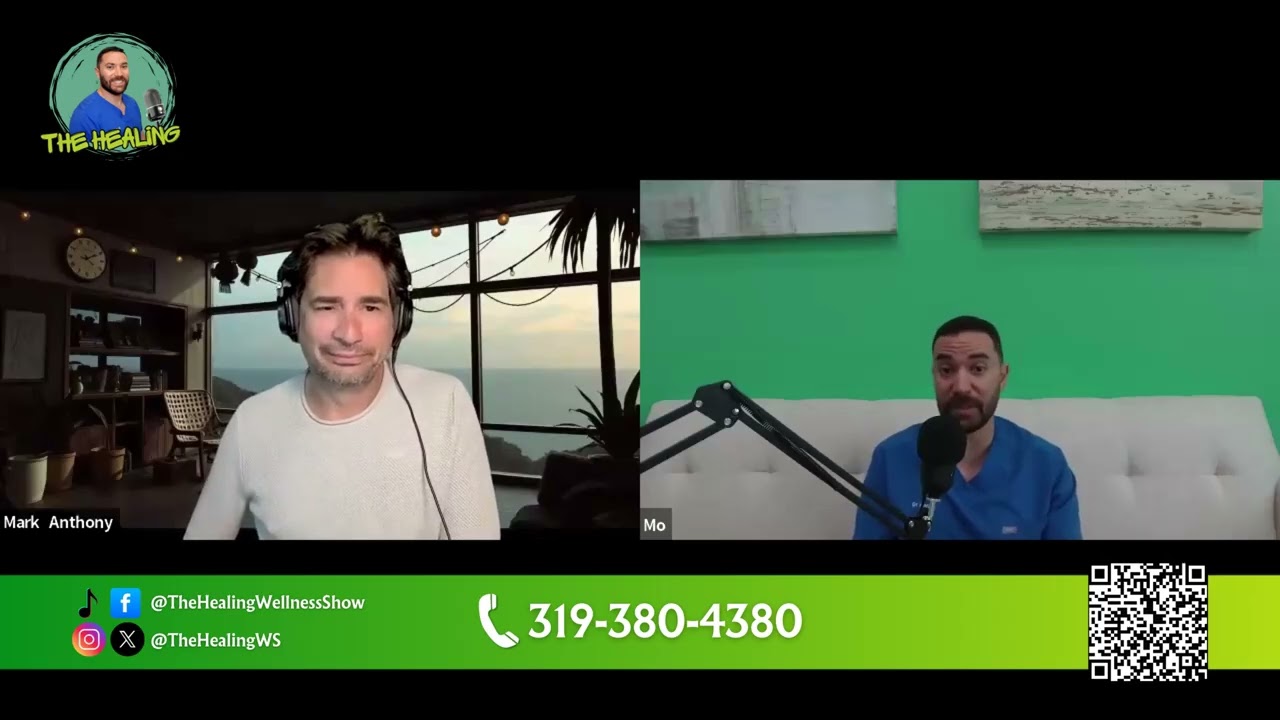
Short answer: some slowing down is normal with age, but losing feeling is not. Dr. Mohamed Karim, D.C., puts it simply in episode 13 of the neuropathy series: slower recovery, less flexibility and gradual changes in muscle are part of getting older. Numbness, burning pain, frequent falls and trouble with balance are not, and they are worth an evaluation whatever your age.
Normal aging vs. signs of nerve trouble
Normal: you recover from a long day a bit slower than you used to. You are stiffer getting out of bed. You have lost some muscle over the years.
Not normal: you cannot feel the floor properly. Your feet burn at night. You trip more than you did two years ago, or you catch yourself on furniture walking across a room.
The first list is wear. The second list is information your nerves are no longer passing along, and that is a different problem.
Warning signs Dr. Karim sees most often
- Tingling or numbness in the feet or hands
- Burning feet or hands
- Feet or hands that feel cold
- Color changes: toes or fingers that look purplish, dark or white, which points to a circulation problem
- Needing to push off with your hands to stand up from a chair
- Reaching for the car door to steady yourself stepping off a curb
- Touching the wall as you walk down a hallway
- Holding on in the shower when you close your eyes to rinse shampoo
That last one surprises people. With your eyes closed, your brain relies on your feet to tell it where you are. If the signal from the feet is weak, you sway, and your hand goes to the wall before you even think about it.
When to stop waiting
His rule of thumb is daily life. If symptoms made you cancel something you had planned, if a task you used to finish in one go now needs breaks, or if you have started avoiding activities, it is time to get checked. The same goes for a change in how you walk, numbness or burning that is getting stronger, or lower back and sciatic pain that keeps creeping up.
Why most people wait too long
Because it arrives slowly. Dr. Karim describes a pattern he hears constantly: numbness starts ten years ago, mild enough to walk off. Five years later it is constant but manageable. Then the stumbles start, and by the time the person comes in, the soles of their feet have lost sensation and they cannot tell what kind of ground they are standing on.
You rarely notice a change that takes a decade. A friend who has not seen you in three years will. They notice that you use the armrests to stand now, or that you pause before you step off.
He also names who waits longest: men. In his experience they downplay symptoms, do not mention them to their spouse, and show up after months of cutting their feet or stubbing their toes without feeling it.
Does getting checked early actually matter?
Yes, and his reasoning is plain arithmetic. Someone with 90% nerve damage has 10% left to work with. Someone who comes in at the tingling stage has far more, and in his experience improves faster and more easily. He does not pretend late cases are hopeless, but he is clear that the sooner you start, the more there is to build on.
Age is not the reason
Many of his patients are in their 70s and 80s and arrive saying “it’s just my age.” His oldest is 98. He came in using a walker and could barely walk, and his goal was specific: keep making memories with his grandchildren and great-grandchildren, who loved him as the funny one in the family. He did not want to blame age, and Dr. Karim does not either. His question is what has happened in the last few years to cause the symptoms, because that is something that can be looked into.
Watch the full episode
Three takeaways
- Aging and neuropathy are different things.
- Numbness is never something to ignore.
- An early evaluation gives you answers sooner and more to work with.
Noticed a few of these signs? Read how neuropathy treatment in North Liberty starts with testing, or book a free consultation at (319) 380-4380. Next in the series: why neuropathy makes walking in the dark so hard.
This article summarizes a podcast episode and is general information, not medical advice. New numbness, weakness or a fall deserves prompt attention from a medical provider. See our medical disclaimer.
Free consultation
Talk to Dr. Karim about your symptoms
Iowa Wellness Center, 1395 Jordan St Unit C, North Liberty, IA. Patients come in from Iowa City, Coralville and Cedar Rapids.